
Day 105 – Forgotten Temples, Desert Pride, and a Night at the Police Station’s Mercy
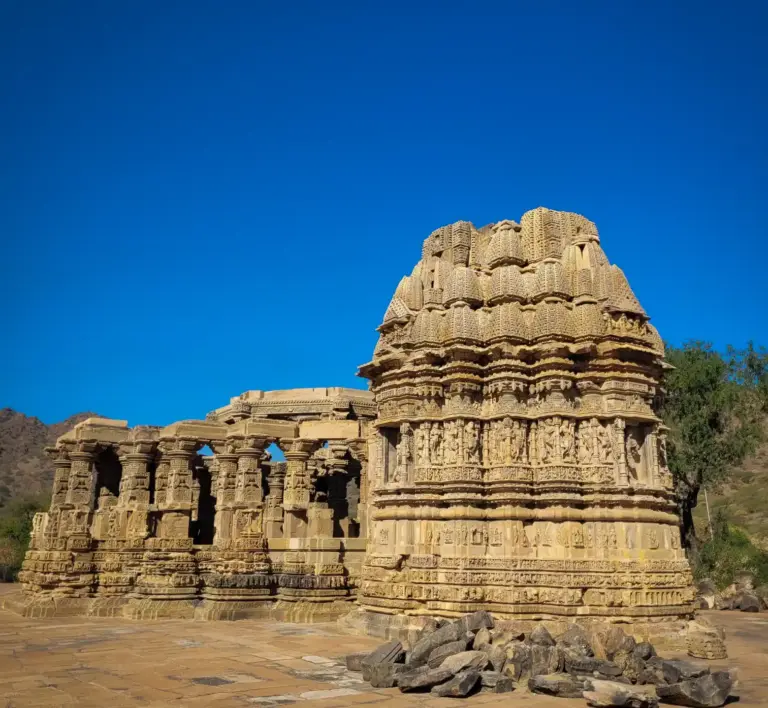
Chalukya Roots at Kiradu
Day 105 began in Kishan Bhai’s home, where I woke up surrounded by tents and fabrics from his tent-house business, proof that he knows every inch of this desert region. After a hot chai, I set off again towards the Kiradu temples, a place that matters deeply to me because it connects directly to my ancient roots. These temples were built during the time of the Chalukyas, when our kings ruled from Jaisalmer down towards southern India and controlled key sea trade routes, including ports near Lakhpat in Kutch. Under their power, these shrines for Shiva and Vaishnava deities rose in the Maru-Gurjara style, the same beautiful style seen across western India.
Lorem ipsum dolor sit amet, consectetur adipiscing elit. Ut elit tellus, luctus nec ullamcorper mattis, pulvinar dapibus leo.
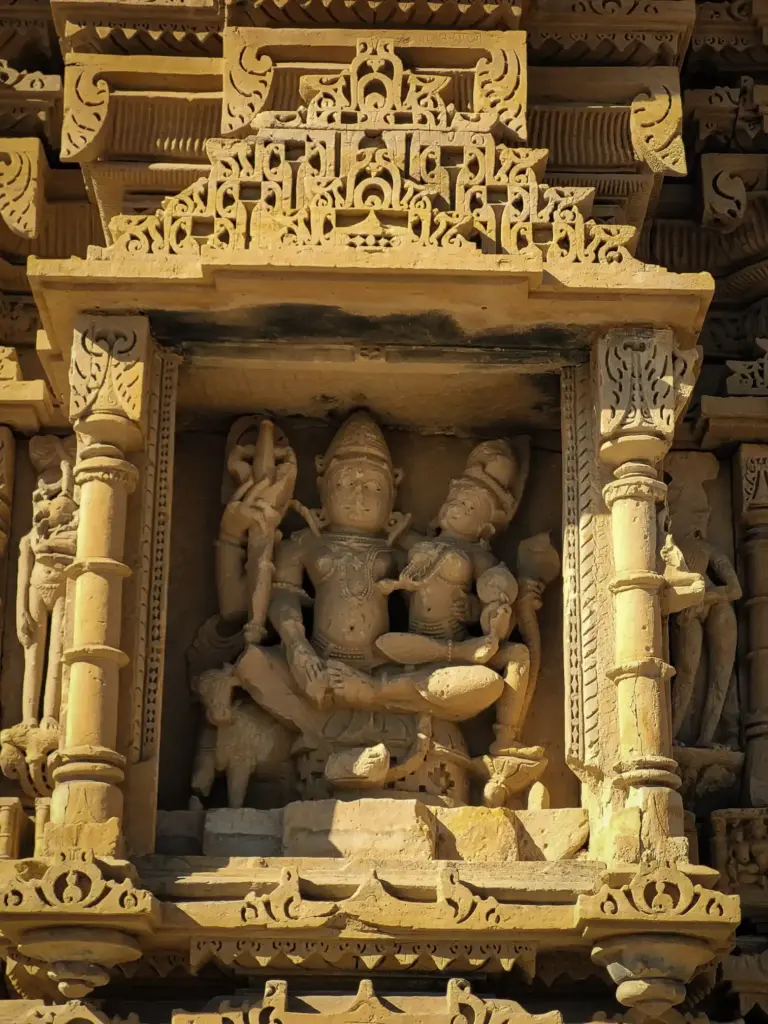
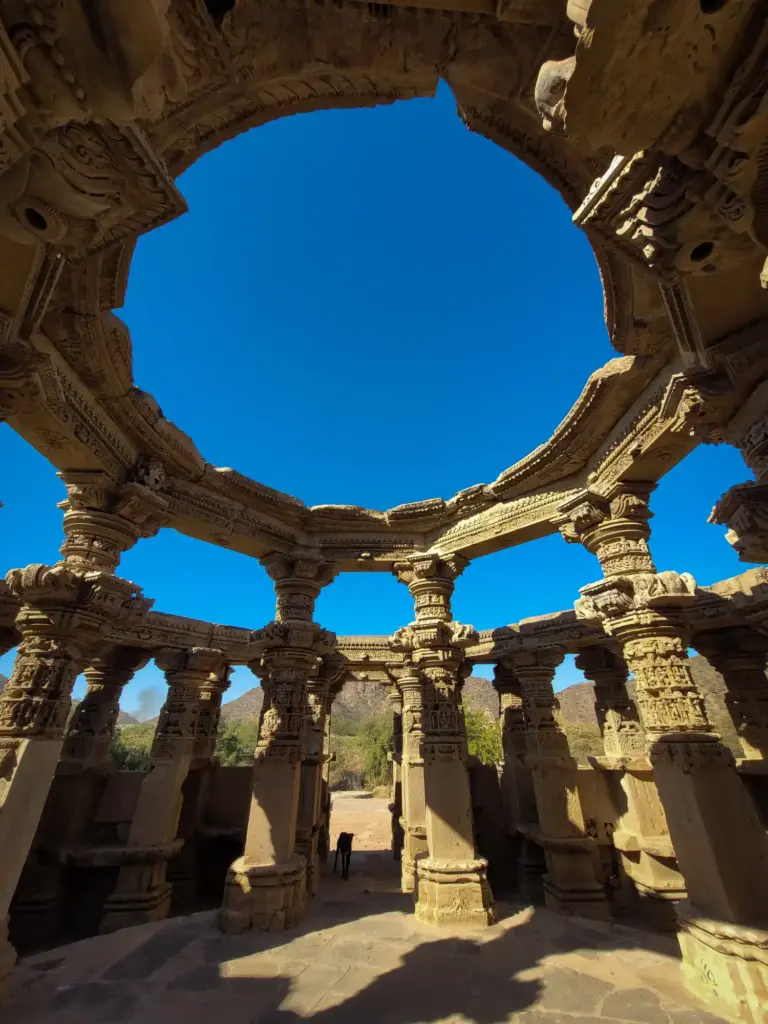
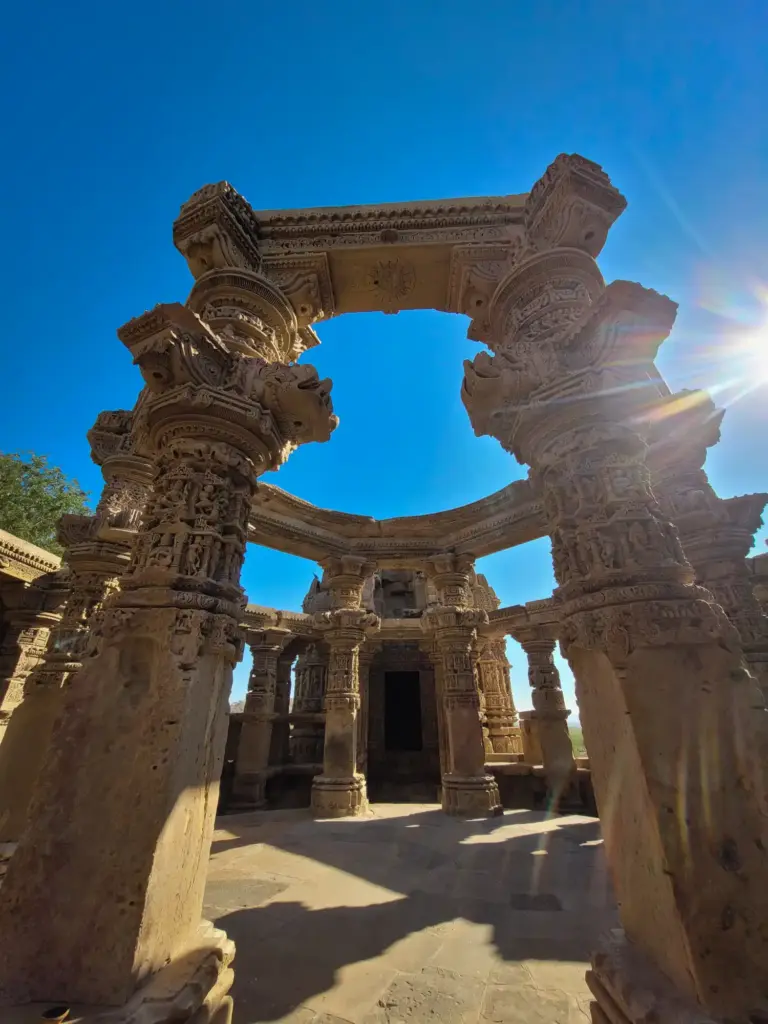
Standing inside Kiradu, with its five main temples and one central shrine still in relatively good shape, I felt a strong link to that past. The intricate pillars, carved ceilings, and surviving shikharas instantly reminded me of Kopeshwar temple in Khidrapur, Maharashtra, another Chalukya-era masterpiece that shares similar ornamental richness. This place almost felt like a replica in spirit, as if Khidrapur’s design had been echoed in stone here in the Thar. Yet the sadness was impossible to ignore: after the fall of the Chalukyas, invaders from the Middle East devastated the complex, and today even the staff posted there seem indifferent. There were no toilets, no proper visitor facilities, and the temples were left to slowly decay despite their extraordinary architecture.
Beauty, Portraits, and a Sunset Ride
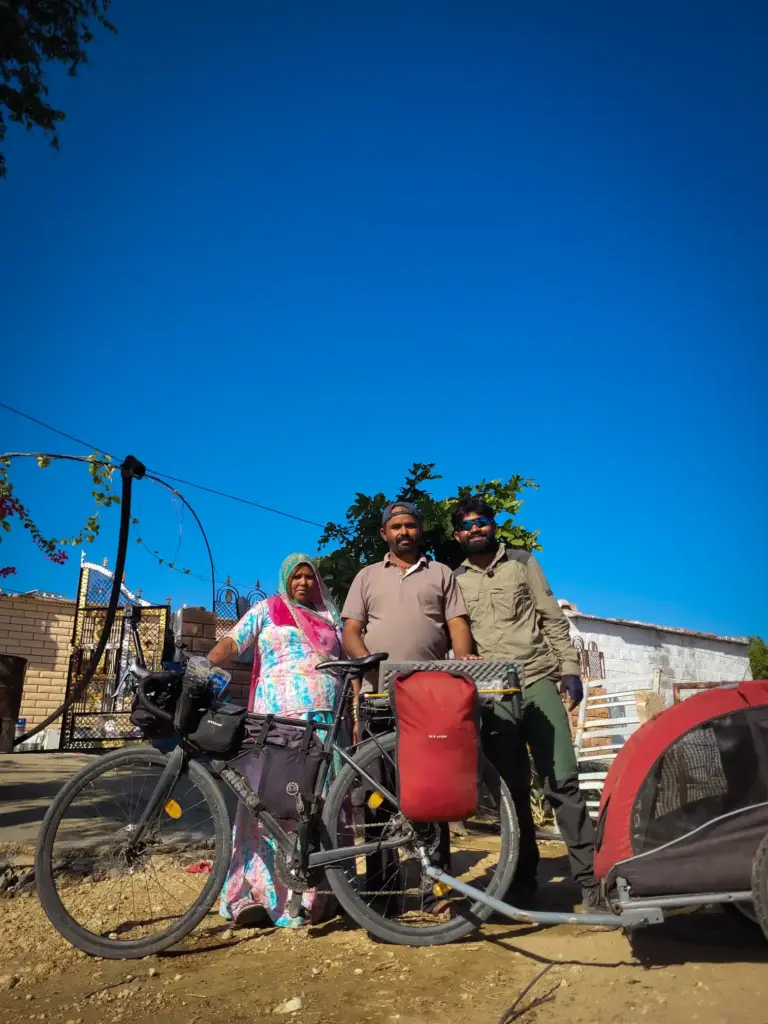
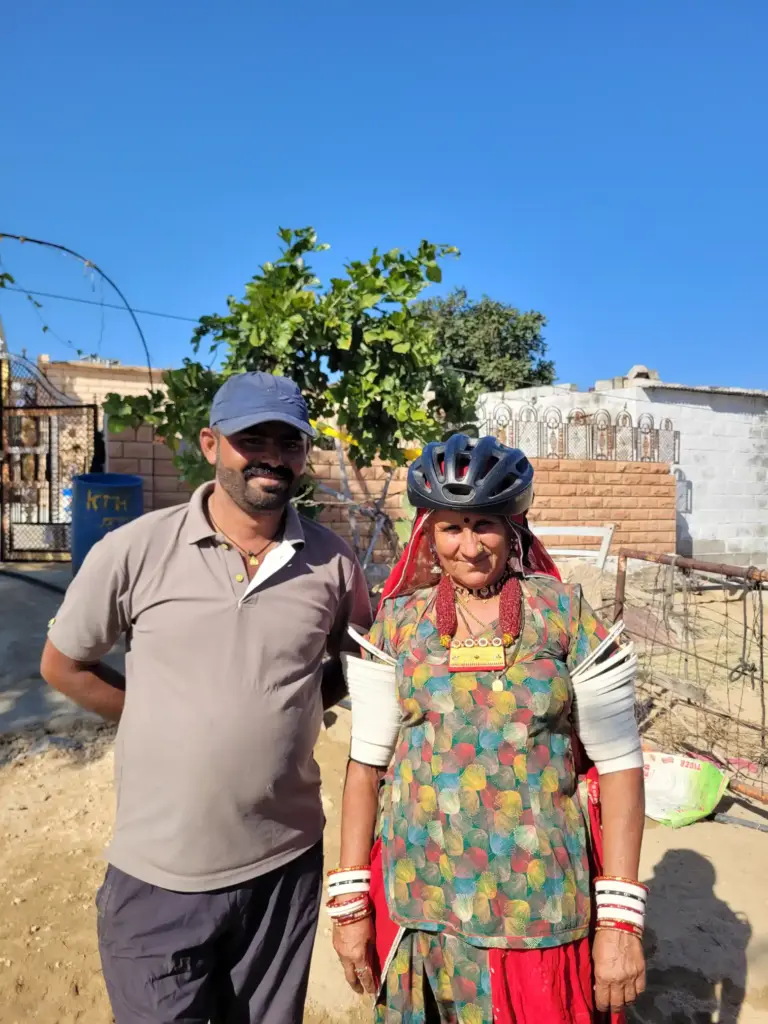
To explore freely, I had left my luggage and Bhairava’s trolley back at Kishan Bhai’s house, knowing I would return via the same route. On the way back, the desert decided to add one more challenge: Bhairava’s trolley tyre went punctured. After fixing things and reaching Kishan Bhai’s home again, I was treated to a delicious home-cooked meal. Knowing my interest in local culture, he even invited his aunt so I could photograph the traditional Rajasthani dress—cotton fabrics, natural dyes, heavy jewellery, and powerful colours that speak of centuries of identity and climate wisdom. Capturing those portraits felt like documenting living history, not just costumes.
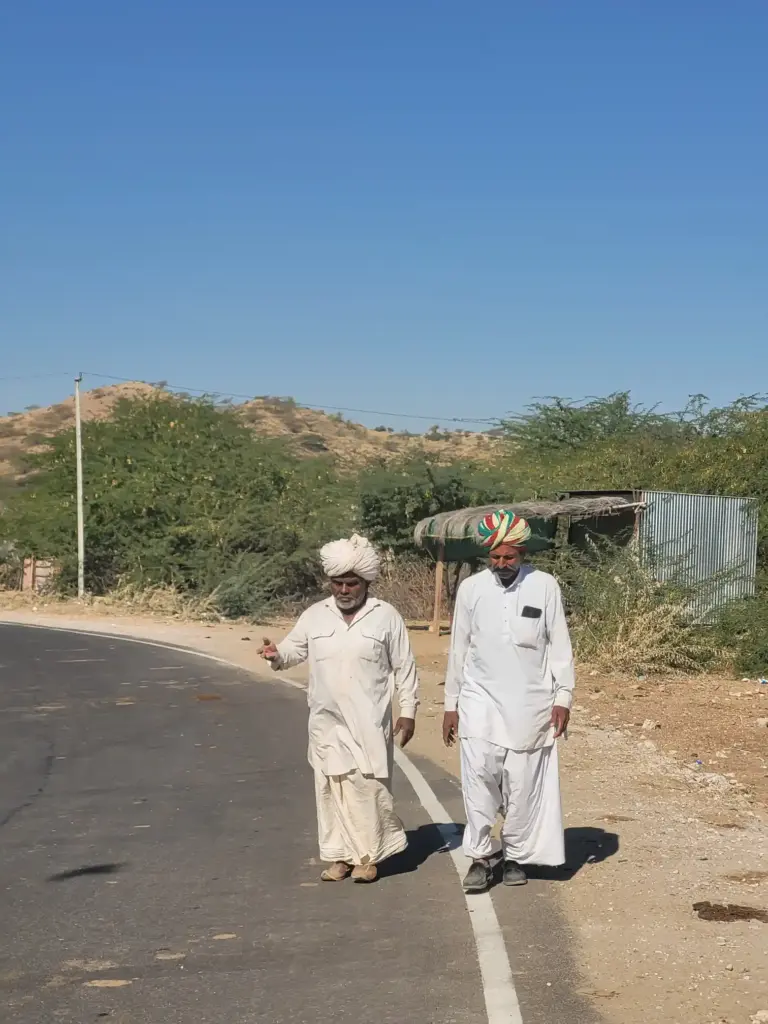
Later, I rolled out once more and rode on towards Gadra Road. The desert sky gifted me a stunning sunset, the kind that washes the dunes and scrub in deep orange and purple. By the time I reached the village near Gadra Road, it was getting dark, so I went straight to a local petrol pump and politely asked if I could stay there for the night with my tent. The owner seemed friendly and said yes, which made me relax for a moment—until he returned with the police.
Harassment at Gadra Road
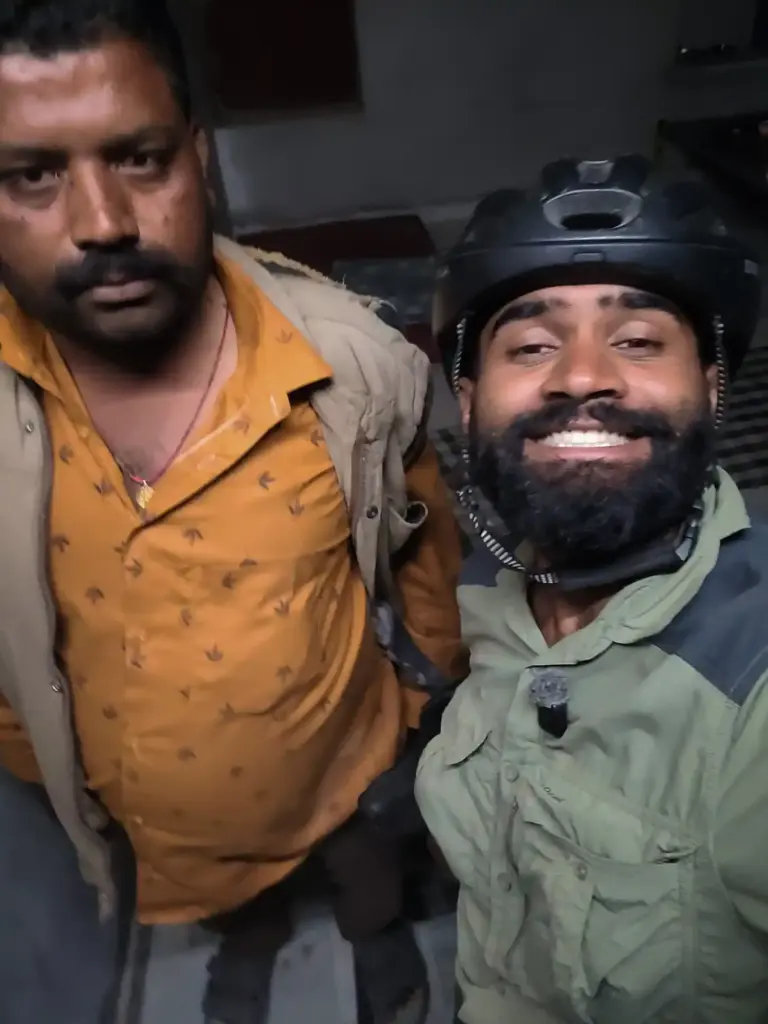
Suddenly, the atmosphere changed. The police officer, Constable Vimlesh, began questioning me aggressively. Because of my long hair and beard, they assumed I might be Muslim, and that became their first obsession. They took me to the police station, and there I felt the full weight of a system that behaves like it is above the Constitution. In that small desert town, the police were treated like supreme leaders of the area, not public servants. They repeatedly asked, “Tum Muslim to nahi ho na? You are not Muslim, right?” two or three times, and also kept probing my caste, as if my safety and rights depended on my answer.
They checked my WhatsApp messages without consent and insisted on seeing my Aadhaar card. When I showed the digital copy, they said I must carry the original, ignoring that digital documents are legally valid in India through DigiLocker. They asked about my luggage—laptop, camera, drone—and demanded to see the drone. I told them clearly: “If you want to seize it, take responsibility. I am not my drone, but if you handle it, be careful.” Instead of following law and procedure, they tried to intimidate me and “fit” me somehow with BSF, as if a cyclist on Bharatmala highway was automatically a security threat.
They made me sit outside the police station with Bhairava while they called BSF, telling them, “One suspicious guy is coming like this.” As far as my understanding goes, there is no law that stops a citizen from cycling on Bharatmala highways, yet they declared that I could not travel ahead on that stretch nor stay at the petrol pump in my tent. “I will designate one place for you,” Vimlesh said. “You must go there and stay.” Their questions drifted from security to personal life: Where do you get money? How can you travel so many countries? Who funds your journey? What is your business? None of this had anything to do with genuine security checks.
Community Support After a Hard Day
Finally, BSF made it clear that I had the authorization and right to travel along the highway and that they could not stop me just for riding a cycle; they refused to interfere in my journey. That should have ended the matter, but instead of apologising, the local police just redirected me to sleep at a small roadside restaurant. The floor was filthy, open to the highway dust and noise. I was sitting there, wondering how this day had turned from sacred temples to harassment, when another character entered the story: Kalu Bhai.
He looked at the place and immediately said, “How can you stay here?” Within a short time, he arranged his brother’s room for me and shifted me there so I could sleep clean and safe. After everything with the police, his gesture felt like the universe trying to balance the scales. In one day, I saw the best and worst of power: officers like Vimlesh, whose attitude and ignorance of basic constitutional rights should honestly cost them their jobs, and ordinary villagers like Kishan Bhai and Kalu Bhai, who opened their homes, their kitchens, and their hearts.
Day 105 will stay with me not just because Kiradu’s temples mirror Kopeshwar’s beauty, but because it showed how living heritage, human kindness, and misuse of authority coexist in today’s India. Between ruined Chalukya stone and living Rajasthani hospitality, the real strength of this land still lies with its people, not its uniforms.
“On Konkan ride, a 2TB SSD carrying my Sri Lanka and touring footage was lost. Those memories were meant to live inside this film. If you’d like to help replace the drive and keep this documentary on track, there are two ways to support. Subscribe monthly to get early edits, behind‑the‑scenes notes, and GPX route packs. Or make a one‑time contribution to replace the SSD and backup media. Every bit helps, and every supporter will be credited in the film’s thank‑you roll.”